

Transforming Your Space: The Power of Interior Design and Rendering

Updated: Aug 18
Creating a home that feels comfortable, stylish, and uniquely yours can be a challenge. Many homeowners struggle to visualize how different design choices will look before making costly changes. This is where interior design and rendering come into play. They offer a clear path to transform your living space with confidence and creativity.

Why Interior Design Matters
Interior design is more than just picking colors and furniture. It shapes how you experience your home every day. Thoughtful design improves comfort, functionality, and mood. For example, arranging furniture to maximize natural light can make a room feel larger and more inviting. Choosing the right materials and textures adds warmth and personality.
Good interior design also considers how you use each space. A family room needs durable surfaces and flexible seating, while a home office requires good lighting and organization. When design matches your lifestyle, your home supports your daily activities instead of complicating them.
The Role of Rendering in Interior Design
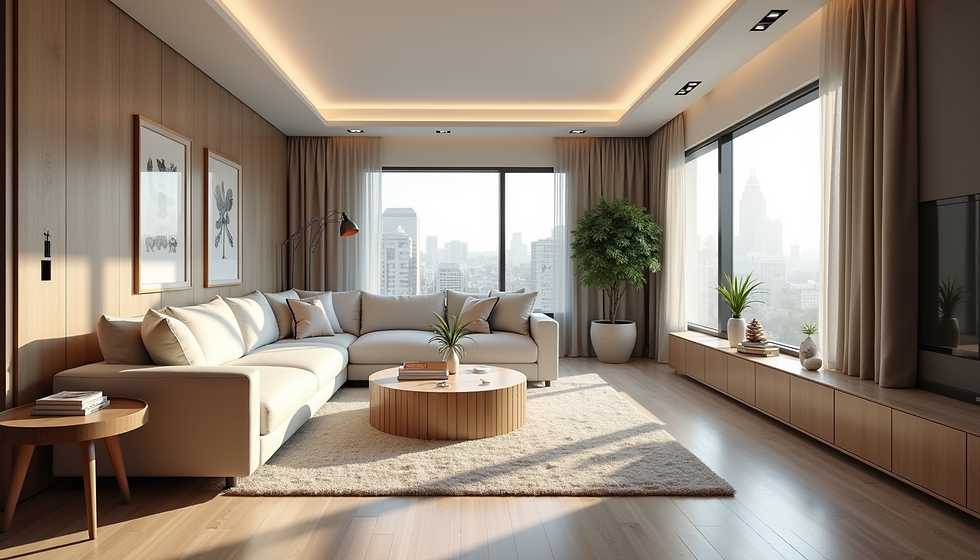
Rendering is the process of creating realistic digital images of a space before any physical work begins. It allows you to see exactly how different design elements will look together. This technology helps avoid costly mistakes by testing colors, layouts, and materials virtually.
For example, a rendering can show how a bold wallpaper will look against your existing furniture or how a new kitchen layout will flow. It also helps communicate your vision clearly to contractors and designers. Instead of relying on abstract descriptions, you can point to a detailed image that captures your ideas.
Rendering tools have become more accessible and user-friendly. Many designers now offer 3D walkthroughs, letting you explore your future home from every angle. This immersive experience helps you make informed decisions and feel confident about your choices.


Practical Tips for Using Interior Design and Rendering
To get the most from interior design and rendering, consider these practical steps:
Start with a clear goal
Identify what you want to achieve. Are you updating a single room or redesigning your entire home? Knowing your priorities helps focus the design process.
Gather inspiration
Collect images, colors, and styles you like. This helps designers understand your taste and creates a starting point for renderings.
Work with professionals
Experienced interior designers know how to balance aesthetics with function. They can guide you through the rendering process and suggest ideas you might not have considered.
Use rendering to test options
Don’t settle on the first design. Try different color schemes, furniture arrangements, and lighting setups in the rendering software to find what works best.
Plan your budget realistically
Rendering can reveal the true cost of materials and labor. Use this insight to adjust your plans before committing financially.
Examples of Successful Transformations
Many homeowners have transformed their spaces using interior design and rendering. One family turned a cramped living room into a bright, open area by visualizing the removal of a wall and rearranging furniture. The rendering helped them see how natural light would fill the space, encouraging them to proceed with confidence.
Another example is a couple who used 3D renderings to redesign their kitchen. They experimented with different cabinet colors and countertop materials until they found a combination that felt both modern and timeless. The detailed images helped their contractor understand the exact specifications, resulting in a smooth renovation.
These examples show how interior design and rendering work together to create homes that are both beautiful and practical.

Bringing Your Vision to Life
Transforming your home starts with a clear vision and the right tools. Interior design provides the framework to create spaces that fit your lifestyle and taste. Rendering brings that vision to life, allowing you to explore options and make confident decisions.
By combining these approaches, you can avoid costly mistakes, save time, and enjoy a home that truly reflects who you are. Whether you want a complete makeover or a simple refresh, interior design and rendering offer practical solutions to elevate your space.
Conclusion
In conclusion, the journey of transforming your home is both exciting and challenging. Embracing the power of interior design and rendering can make this process smoother and more enjoyable. With the right tools and guidance, you can create a space that not only meets your needs but also resonates with your personal style.
Remember, every detail matters. From the layout to the color palette, each choice contributes to the overall feel of your home. So take your time, explore your options, and don’t hesitate to seek professional help when needed. Your dream home is within reach, and with the right approach, you can bring your vision to life.
Whether you’re looking for a cozy nook or an expansive living area, the combination of interior design and rendering can help you achieve your goals. Let your creativity flow, and enjoy the process of making your home uniquely yours.
---wix---


Comments