

Mastering the Art of House Style Rendering: Essential House Rendering Techniques

When it comes to showcasing architectural projects, the quality of your house style rendering can make all the difference. Whether you are a developer, realtor, architect, home builder, remodeler, or interior designer, mastering house rendering techniques is key to bringing your vision to life and effectively marketing your projects. In this post, I will walk you through practical tips and insights to help you create stunning, realistic renderings that capture attention and communicate your design intent clearly.
Understanding House Rendering Techniques: The Basics
House rendering is more than just creating a pretty picture. It’s about translating architectural plans into visual stories that resonate with clients and stakeholders. To start, you need to understand the core house rendering techniques that form the foundation of any successful project.
3D Modeling: This is the first step where you build a digital model of the house. Accuracy here is crucial. Use precise measurements and architectural details to ensure the model reflects the real structure.
Texturing and Materials: Applying realistic textures like brick, wood, glass, and stone adds depth and authenticity. Pay attention to how materials interact with light.
Lighting: Proper lighting sets the mood and highlights key features. Experiment with natural sunlight, shadows, and artificial lights to create a balanced scene.
Camera Angles: Choose angles that best showcase the design. Eye-level views often work well for exterior shots, while close-ups can highlight intricate details.
Post-Processing: After rendering, use editing software to enhance colors, contrast, and sharpness. This final step can elevate your image from good to great.
By mastering these techniques, you can create renderings that not only look beautiful but also communicate the essence of your design clearly.

Advanced House Rendering Techniques for Realism and Impact
Once you have the basics down, it’s time to dive deeper into advanced house rendering techniques. These will help you add realism and emotional impact to your visuals.
Realistic Textures and Materials
Don’t settle for flat or repetitive textures. Use high-resolution materials and vary their properties to mimic real-world surfaces. For example, wood should have grain and slight imperfections, while glass should reflect and refract light realistically.
Dynamic Lighting Setups
Lighting can make or break a rendering. Try simulating different times of day to see how sunlight affects your design. Use soft shadows for a warm, inviting feel or sharper shadows for a dramatic effect. Incorporate ambient occlusion to add subtle shading in corners and crevices.
Environmental Context
Place your house in a believable environment. Add landscaping, neighboring buildings, and sky backgrounds to give context. This helps viewers imagine the house in a real setting, making your rendering more relatable.
Human Scale and Details
Including small details like furniture, plants, or even a single person can provide scale and life to your rendering. These elements help viewers understand the size and usability of spaces.
Animation and Walkthroughs
For an immersive experience, consider creating animated walkthroughs or 360-degree views. These allow clients to explore the design interactively, increasing engagement and understanding.
By integrating these advanced techniques, your renderings will stand out and effectively communicate the quality and thoughtfulness of your designs.
Practical Tips for Efficient Rendering Workflow
Efficiency is just as important as quality. Here are some actionable recommendations to streamline your rendering process without sacrificing results.
Plan Your Shots: Before you start, decide on the key views and angles you want to showcase. This saves time and ensures you focus on the most impactful visuals.
Use Templates and Presets: Create or use existing material and lighting presets to speed up setup. This consistency also helps maintain a cohesive style across projects.
Optimize Your Models: Keep your 3D models clean and organized. Remove unnecessary details that won’t be visible to reduce rendering time.
Leverage Cloud Rendering: If your hardware is limited, consider cloud rendering services. They can handle complex scenes faster and free up your local resources.
Regularly Update Software: Stay current with the latest rendering software updates and plugins. New features often improve speed and quality.
Following these tips will help you deliver high-quality renderings on time and within budget.

How to Choose the Right Rendering Style for Your Project
Not every project calls for the same rendering style. Choosing the right style depends on your goals and audience.
Photorealistic Rendering: Best for marketing and sales presentations. It shows the design as it will appear in reality, helping clients visualize the final product.
Conceptual or Artistic Rendering: Useful in early design phases to convey mood and ideas without focusing on details.
Technical Rendering: Focuses on structural and material accuracy, often used for construction documentation or client approvals.
Interactive Rendering: Includes VR or AR experiences, allowing clients to explore the design in real-time.
Understanding your project’s purpose will guide your choice of rendering style, ensuring your visuals serve their intended function effectively.
Bringing It All Together with Sharp Rd House Style Rendering
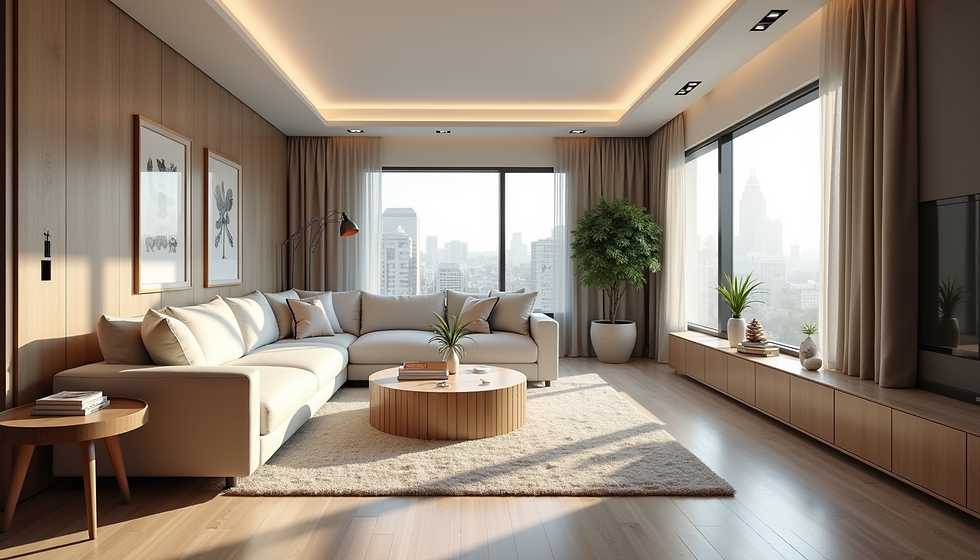
One of the best examples of mastering house style rendering is the approach used in sharp rd house style rendering. This method combines precision modeling, realistic materials, and dynamic lighting to create compelling visuals that truly capture the essence of modern residential architecture.
By studying and applying similar principles, you can elevate your own renderings. Focus on clarity, realism, and emotional connection. Remember, your goal is to help others see and feel the potential of your designs before they are built.
Elevate Your Architectural Visualizations Today
Mastering house rendering techniques is a journey that pays off with every project. By combining solid fundamentals with advanced skills and efficient workflows, you can create visuals that not only impress but also communicate your design vision clearly and effectively.
Keep experimenting with new tools and styles. Stay curious and open to learning. The more you practice, the better your renderings will become. And when you do it right, your work will help bring architectural dreams to life in the most vivid and inspiring way possible.


Comments