

Mastering the Art of House Style Rendering: Essential House Rendering Techniques

When it comes to architectural visualization, mastering house rendering techniques is a game-changer. Whether you are developing a new project, marketing a property, or designing a home, the way you present your ideas visually can make all the difference. I’ve spent years refining my approach to house style rendering, and I’m excited to share practical tips and insights that will help you elevate your work.
Rendering is more than just creating pretty pictures. It’s about communicating a vision clearly and effectively. In this post, I’ll walk you through key house rendering techniques, explain why they matter, and offer actionable advice to help you produce stunning, realistic visuals every time.
Understanding the Basics of House Rendering Techniques
Before diving into advanced methods, it’s important to grasp the fundamentals of house rendering. These basics form the foundation of every successful project.
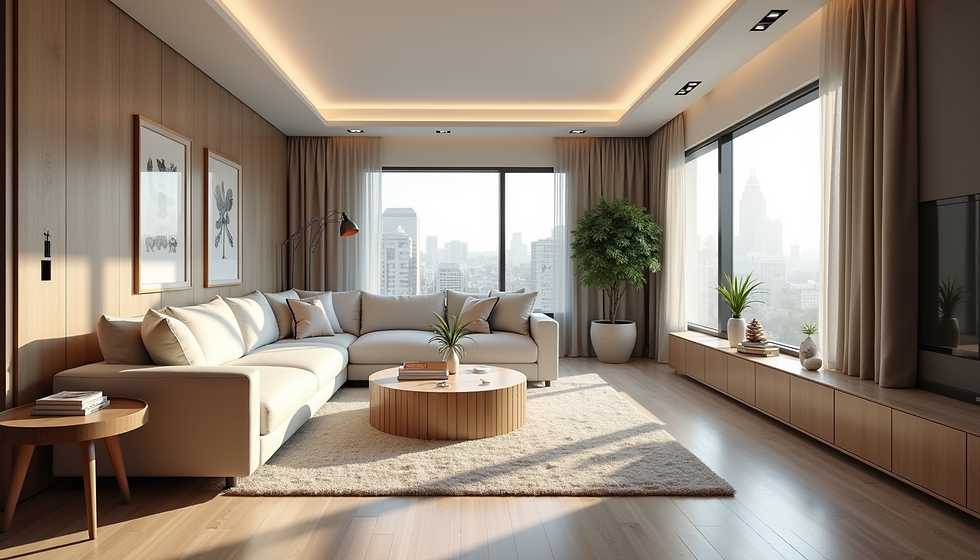
Lighting: Good lighting brings your render to life. Natural light simulates the sun’s position and intensity, while artificial lighting adds mood and focus. Experiment with different times of day to see how shadows and highlights change.
Materials and Textures: Realistic materials make a huge difference. Use high-quality textures for walls, roofs, windows, and landscaping. Pay attention to details like roughness, glossiness, and bump maps to add depth.
Camera Angles: Choose angles that showcase the best features of the house. Eye-level views work well for interiors, while wide-angle shots capture the entire building and surroundings.
Composition: Balance your scene by placing elements thoughtfully. Avoid clutter and ensure the house remains the focal point.
By mastering these basics, you set yourself up for success with more complex rendering techniques.

Advanced House Rendering Techniques to Elevate Your Visuals
Once you have the basics down, it’s time to explore advanced techniques that add realism and impact.
1. Use of Environment and Context
Placing your house in a realistic environment helps viewers imagine the space in real life. Add trees, plants, neighboring buildings, and sky backgrounds. This context provides scale and enhances the story your render tells.
2. Post-Processing Enhancements
After rendering, use software like Photoshop or Lightroom to adjust colors, contrast, and sharpness. Subtle tweaks can transform a good render into a great one. Add lens flares, depth of field, or slight vignettes to guide the viewer’s eye.
3. Incorporate People and Lifestyle Elements
Adding people or lifestyle props (like furniture, cars, or garden tools) makes the scene relatable. It shows how the space can be used and brings warmth to the image.
4. Experiment with Different Styles
Not every project needs photorealism. Sometimes a stylized or artistic render better suits the client’s vision. Try watercolor effects, sketch overlays, or minimalist color palettes to create unique presentations.
5. Optimize Render Settings
Balancing quality and render time is crucial. Use denoising tools, adjust sample rates, and optimize lighting calculations to get the best results without excessive wait times.
These techniques, combined with the basics, will help you create compelling visuals that stand out.
Practical Tips for Effective House Style Rendering
Here are some actionable recommendations I’ve learned through experience:
Plan Your Shots: Sketch or storyboard your render angles before starting. This saves time and ensures you capture all important features.
Use Reference Images: Collect photos of real houses, materials, and lighting conditions. Reference images guide your choices and improve realism.
Keep It Simple: Avoid overloading your scene with too many details. Focus on what matters most to the project.
Test Renders Early: Run low-resolution test renders to check lighting and composition. Adjust before committing to high-res final renders.
Stay Updated: Rendering software evolves quickly. Keep learning new tools and plugins to improve your workflow.
By following these tips, you’ll work smarter and produce better results.

How Sharp Rd House Style Rendering Can Inspire Your Projects
One great example of effective house style rendering is the work done by sharp rd house style rendering. Their approach combines technical precision with artistic flair, resulting in visuals that truly capture the essence of each project.
What stands out is their attention to detail and use of natural lighting to highlight architectural features. They also excel at integrating the house into its environment, making the render feel authentic and inviting.
Studying such examples can inspire your own work and help you understand how to apply advanced techniques in real-world scenarios.
Bringing Your Renderings to Life with Color and Texture
Color and texture are powerful tools in house rendering. They influence mood, style, and perception of space.
Color Palette: Choose colors that complement the architecture and surroundings. Neutral tones often work well for modern homes, while warmer hues suit traditional styles.
Texture Mapping: Apply textures carefully to avoid repetition or distortion. Use UV mapping to align textures correctly on complex surfaces.
Material Properties: Adjust reflectivity, transparency, and bumpiness to mimic real materials like brick, wood, glass, or metal.
Weather Effects: Adding rain, snow, or dust can add atmosphere and realism.
Experimenting with these elements helps you create renders that feel tangible and inviting.
Final Thoughts on Mastering House Rendering Techniques
Mastering house rendering techniques is a journey that combines creativity, technical skill, and attention to detail. By focusing on lighting, materials, composition, and post-processing, you can create visuals that not only look stunning but also communicate your architectural vision clearly.
Remember to keep learning, experimenting, and refining your approach. The right render can make all the difference in showcasing a project’s potential and attracting interest.
With dedication and practice, you’ll master the art of house style rendering and produce images that truly bring your designs to life.


Comments