

Mastering Rendering Styles for Architecture: Sharp RD House Style Rendering

When it comes to architectural visualization, the way a project is presented can make all the difference. Rendering styles for architecture are not just about making a building look good; they are about telling a story, highlighting design features, and helping clients and stakeholders truly understand the vision. Over the years, I have explored many rendering techniques, but one style that stands out for its clarity and impact is the Sharp RD House Style Rendering. In this post, I’ll walk you through mastering this style, sharing practical tips and insights to help you elevate your architectural presentations.
Understanding Rendering Styles for Architecture
Rendering styles for architecture vary widely, from photorealistic to conceptual sketches. Each style serves a different purpose and audience. For example, photorealistic renderings are perfect for marketing materials because they show exactly what the finished building will look like. On the other hand, conceptual renderings are great for early design phases, helping to communicate ideas without getting bogged down in details.
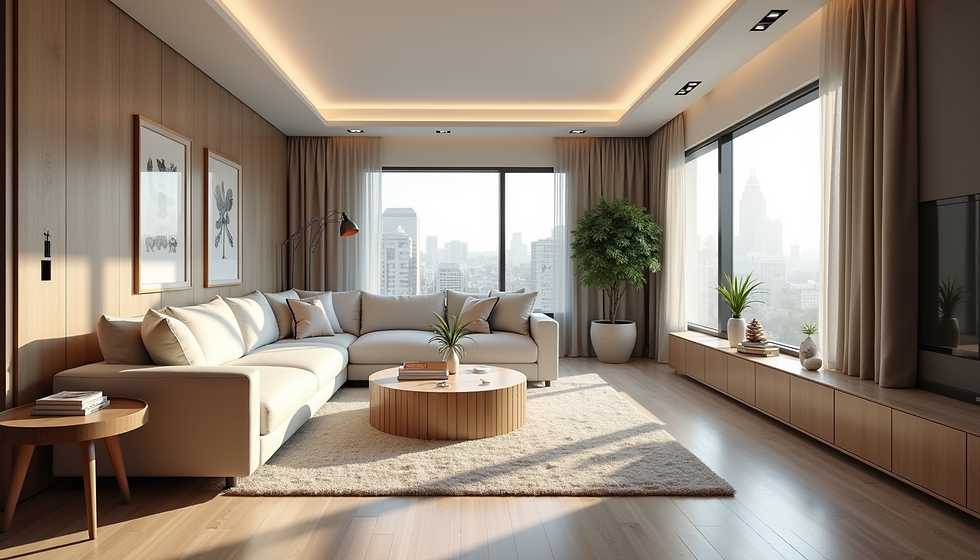
The Sharp RD House Style Rendering falls somewhere in between. It combines clean lines, sharp contrasts, and a balanced use of light and shadow to create images that are both visually striking and easy to interpret. This style is especially useful when you want to emphasize architectural form and structure without overwhelming the viewer with too much detail.
Why Choose Sharp RD House Style Rendering?
Clarity: The style highlights the building’s geometry clearly.
Focus: It draws attention to key design elements.
Versatility: Works well for both exterior and interior views.
Professional Appeal: It looks polished and modern, ideal for client presentations.

Key Elements of Sharp RD House Style Rendering
To master this rendering style, you need to understand its core components. Here’s what makes it unique:
1. Clean Lines and Defined Edges
Sharp RD style relies on crisp, well-defined edges. This means avoiding blurry or overly soft lines. Use high-resolution textures and precise modeling to ensure every corner and surface is clear. This approach helps the viewer quickly grasp the building’s shape and structure.
2. Balanced Lighting
Lighting is crucial. The style uses a mix of natural and artificial light to create contrast without harsh shadows. Soft shadows add depth, while highlights emphasize important architectural features. Experiment with different light angles to find the perfect balance.
3. Minimalistic Color Palette
Colors are usually muted or neutral, focusing on whites, grays, and earth tones. This keeps the attention on the form rather than the color. However, subtle pops of color can be used to highlight specific areas or materials.
4. Textural Detail
While the style is clean, it doesn’t ignore texture. Materials like wood grain, concrete, and metal are rendered with enough detail to feel realistic but not so much that they distract. This balance adds authenticity to the image.
5. Composition and Framing
Composition plays a big role. Use framing techniques that guide the viewer’s eye through the design. Leading lines, symmetry, and focal points help create a compelling visual narrative.
Practical Steps to Create Sharp RD House Style Renderings
Now that you know the key elements, let’s dive into how to create this style step-by-step.
Step 1: Start with a Clean 3D Model
Your model should be accurate and free of unnecessary details. Focus on the main architectural features. Clean geometry makes it easier to apply materials and lighting effectively.
Step 2: Choose the Right Software and Tools
Popular rendering software like Blender, 3ds Max with V-Ray, or Lumion can achieve this style. Make sure your software supports advanced lighting and material settings.
Step 3: Set Up Lighting Carefully
Use a combination of directional sunlight and soft ambient light.
Avoid overly bright or dark areas.
Adjust shadow softness to create depth without losing detail.
Step 4: Apply Materials Thoughtfully
Use high-quality textures with subtle bump maps.
Stick to a restrained color palette.
Add slight reflections or glossiness where appropriate.
Step 5: Fine-Tune Camera Angles and Composition
Choose angles that showcase the building’s best features.
Use the rule of thirds or symmetry to create balance.
Include some environmental context like landscaping or sky for realism.
Step 6: Post-Processing for Polish
After rendering, use software like Photoshop or Lightroom to enhance contrast, adjust colors, and sharpen details. Be careful not to overdo it; the goal is to maintain the clean, sharp look.

Common Challenges and How to Overcome Them
Mastering any rendering style comes with challenges. Here are some common issues and how to fix them:
Overly Harsh Shadows
If shadows are too dark or sharp, the image can look unrealistic. Soften shadows by adjusting light source size or adding fill lights.
Loss of Detail in Highlights
Bright areas can sometimes wash out details. Use exposure controls and tone mapping to preserve texture and form.
Flat or Dull Colors
If colors look lifeless, try adding subtle variations in hue or saturation. Introducing slight reflections or gloss can also bring materials to life.
Cluttered Composition
Too many elements can distract from the main design. Simplify the scene by removing unnecessary objects or using depth of field effects.
Why Sharp RD House Style Rendering Works for Marketing and Design
This rendering style is not just visually appealing; it’s a powerful communication tool. It helps clients and stakeholders see the potential of a project clearly and confidently. The clean, modern look aligns well with contemporary architectural trends, making it easier to sell ideas and secure approvals.
Using sharp rd house style rendering can also speed up the design process. Because the style focuses on clarity and essential details, it reduces the time spent on tweaking textures and lighting endlessly. This efficiency is a big plus for busy professionals.
Tips for Integrating Sharp RD House Style Rendering into Your Workflow
Start Early: Use this style from the initial design phase to keep presentations consistent.
Collaborate: Share renderings with your team to get feedback and refine the design.
Customize: Adapt the style to fit different project types, whether residential, commercial, or interior.
Stay Updated: Keep learning about new tools and techniques to enhance your renderings.
Use Templates: Create reusable lighting and material setups to save time.
Bringing Your Architectural Visions to Life
Mastering rendering styles for architecture is a journey. The Sharp RD House Style Rendering offers a fantastic balance of clarity, professionalism, and visual appeal. By focusing on clean lines, balanced lighting, and thoughtful composition, you can create images that truly showcase your designs.
Whether you are presenting to clients, marketing a new development, or refining your own concepts, this style will help you communicate your vision effectively. Remember, the key is practice and attention to detail. Keep experimenting, and soon you’ll be producing stunning renderings that stand out.
If you want to explore this style further, consider partnering with experts who specialize in architectural visualization. They can help you bring your projects to life with high-quality 3D renderings that capture every detail and nuance.
Happy rendering!


Comments