

Explore Rohe Buildings' Top Design Portfolio Features

When it comes to architectural design, having a strong portfolio is essential. It showcases creativity, technical skill, and the ability to bring ideas to life. I’ve spent time exploring the rohe buildings design portfolio, and I’m excited to share some of the highlights that stand out. Whether you’re involved in development, real estate, architecture, or interior design, understanding these features can inspire your own projects and help you appreciate what makes a design portfolio truly exceptional.
Top Design Portfolio Features to Look For
A great design portfolio does more than just display pretty pictures. It tells a story about the architect’s vision, process, and expertise. Here are some of the top features I noticed in Rohe Buildings’ portfolio that make it stand out:
Diverse Project Types: From residential homes to commercial spaces, the portfolio covers a wide range of building types. This variety shows adaptability and a broad skill set.
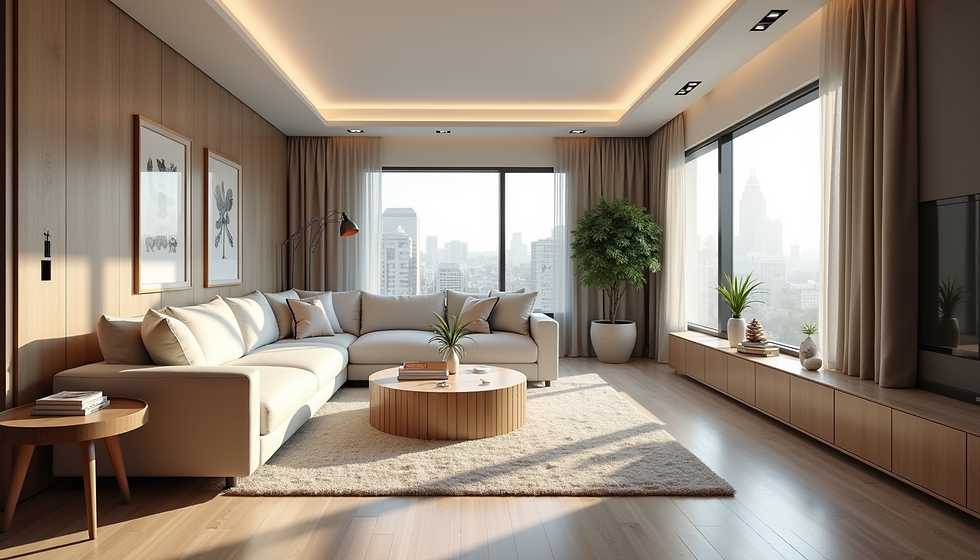
High-Quality Visuals: The images are crisp, well-lit, and professionally rendered. This clarity helps viewers understand the design details and spatial relationships.
Clear Presentation of Concepts: Each project includes a brief explanation of the design goals and challenges. This context adds depth and shows thoughtful problem-solving.
Use of Modern and Sustainable Materials: Many designs incorporate eco-friendly materials and energy-efficient features, reflecting current trends and responsible building practices.
Attention to Detail: Small elements like lighting, textures, and landscaping are carefully considered, enhancing the overall aesthetic and functionality.
These features make the portfolio not only visually appealing but also informative and inspiring.

How Rohe Buildings Brings Designs to Life
One thing that really impressed me is how Rohe Buildings uses architectural visualization to bring concepts to life. Their 3D renderings are more than just images - they are immersive experiences that help clients and stakeholders see the final product before construction begins.
Here’s how they do it:
Detailed 3D Modeling: Every element, from walls to furniture, is modeled with precision.
Realistic Textures and Lighting: Materials look authentic, and lighting mimics natural and artificial sources.
Multiple Perspectives: Renderings include aerial views, street-level shots, and interior close-ups.
Interactive Walkthroughs: Some projects offer virtual tours, allowing users to explore spaces dynamically.
This approach not only aids marketing but also improves communication between architects, developers, and clients. It reduces misunderstandings and speeds up decision-making.

What are the 7 Principles of Design in Architecture?
Understanding the core principles of design helps explain why some projects stand out more than others. These principles guide architects in creating balanced, functional, and beautiful spaces. Here are the seven key principles:
Balance - Distributing visual weight evenly to create stability.
Contrast - Using differences in color, texture, or form to highlight important features.
Emphasis - Drawing attention to focal points within the design.
Movement - Guiding the viewer’s eye through the space naturally.
Proportion - Ensuring elements relate well in size and scale.
Rhythm - Creating repetition or patterns to add harmony.
Unity - Making sure all parts of the design work together cohesively.
Rohe Buildings’ projects often demonstrate these principles clearly. For example, their use of contrast and emphasis in facade designs creates striking visual interest, while balanced layouts ensure functional flow inside the buildings.
Practical Tips for Building Your Own Design Portfolio
If you’re looking to create or improve your own architectural portfolio, here are some actionable tips inspired by Rohe Buildings’ approach:
Show Variety: Include different types of projects to highlight your versatility.
Focus on Quality: Use high-resolution images and professional renderings.
Tell a Story: Add brief descriptions explaining your design choices and challenges.
Highlight Innovation: Showcase sustainable features or unique materials.
Organize Clearly: Group projects logically and use consistent formatting.
Include Process Work: Sketches, plans, and models can show your workflow.
Update Regularly: Keep your portfolio current with your latest and best work.
By following these tips, you can create a portfolio that not only impresses but also communicates your strengths effectively.
Why Visualization Matters in Architectural Marketing
In today’s competitive market, visualization is a powerful tool. It helps bridge the gap between abstract ideas and tangible results. For developers and realtors, this means selling projects before they are built. For architects and builders, it means clearer communication and fewer costly changes.
Rohe Buildings excels in this area by providing:
Realistic 3D Renderings that capture every detail.
Virtual Reality Experiences that immerse clients in the space.
Customizable Views to highlight different design aspects.
Marketing Materials that integrate visuals seamlessly.
These services make it easier to attract investors, secure permits, and engage buyers. The ability to see a project’s potential clearly is invaluable.
Bringing It All Together
Exploring the rohe buildings design portfolio has been an eye-opening experience. Their work exemplifies how thoughtful design, quality visualization, and clear communication come together to create outstanding architectural projects. Whether you’re involved in development, real estate, or design, these insights can help you appreciate the value of a well-crafted portfolio and the role it plays in successful project delivery.
If you want to elevate your own projects, consider how you can incorporate these top design portfolio features and visualization techniques. The right presentation can make all the difference in turning ideas into reality.


Comments