

Crafting Distinctive Home Style Renderings with Realistic Home Renderings

Creating a home style rendering that stands out is both an art and a science. It requires a clear vision, attention to detail, and the right tools to bring that vision to life. Whether you are designing a new project or marketing an existing one, realistic home renderings can make all the difference. They help convey the essence of a design, allowing clients and stakeholders to truly understand the potential of a space before it is built.
In this post, I will share practical tips and insights on how to craft distinctive home style renderings that capture attention and communicate your design intent effectively. Let’s dive into the key elements that make a rendering not just good, but exceptional.
Why Realistic Home Renderings Matter
Realistic home renderings are more than just pretty pictures. They are powerful communication tools that bridge the gap between imagination and reality. When done well, they:
Showcase design details clearly: From textures to lighting, realistic renderings highlight every aspect of the home.
Help clients visualize the final product: This reduces uncertainty and builds confidence in the project.
Support marketing efforts: High-quality images attract buyers and investors by making the project tangible.
Facilitate design decisions: Seeing a realistic version of the home allows for better feedback and adjustments early on.
For example, when I worked on a recent project, the realistic renderings helped the client choose between different exterior finishes by showing how each option would look in natural light. This saved time and avoided costly changes later.

Key Elements to Craft Distinctive Home Style Renderings
To create renderings that stand out, focus on these essential elements:
1. Accurate and Detailed Modeling
Start with a precise 3D model of the home. Every architectural feature should be represented accurately. This includes:
Rooflines and eaves
Window and door placements
Exterior materials and textures
Landscaping elements
The more detailed your model, the more realistic your rendering will be. Avoid shortcuts that sacrifice accuracy for speed.
2. Realistic Lighting and Shadows
Lighting can make or break a rendering. Use natural light settings that match the location and time of day. Pay attention to:
Sun position and intensity
Soft shadows and reflections
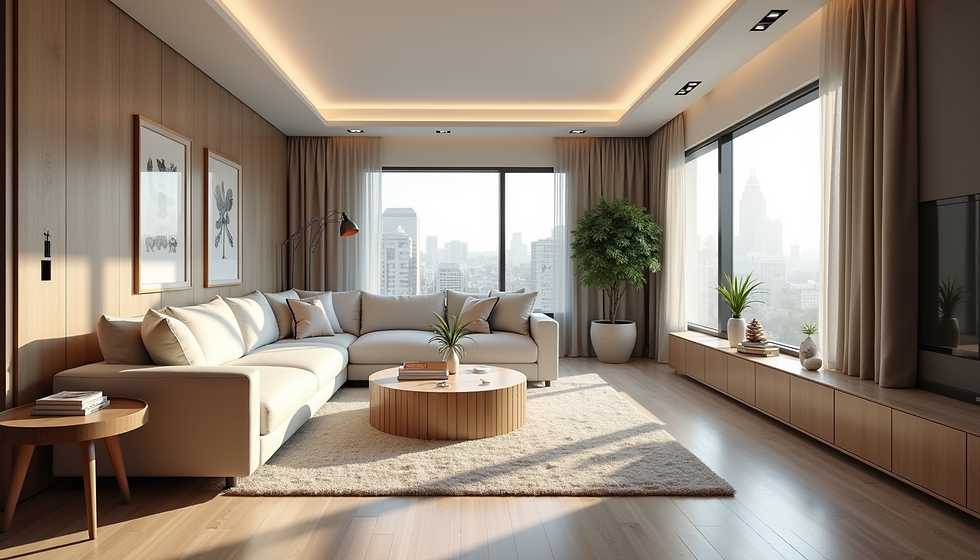
Interior lighting if the rendering includes indoor views
Good lighting adds depth and dimension, making the home feel alive and inviting.
3. Thoughtful Composition and Angles
Choose camera angles that highlight the home’s best features. Eye-level views often work well because they mimic how people naturally see a building. Consider:
Wide shots to show the entire structure
Close-ups to focus on details like textures or landscaping
Perspectives that emphasize the home’s unique style
For instance, a sharp rd house style rendering can be enhanced by selecting angles that showcase its distinctive roofline and facade.
4. High-Quality Textures and Materials
Use textures that replicate real materials such as brick, wood, stone, or stucco. Avoid flat or repetitive patterns. Instead, opt for:
High-resolution textures
Variation in color and roughness
Realistic reflections and bump maps
This attention to detail helps viewers imagine the tactile experience of the home.
5. Context and Environment
Place the home in a realistic setting. This could be a suburban street, a natural landscape, or an urban environment. Adding context:
Grounds the home in reality
Shows how it interacts with its surroundings
Enhances the overall story of the design
Including landscaping, driveways, and nearby structures can make the rendering more relatable.

Tools and Techniques for Creating Realistic Home Renderings
To achieve the best results, use professional software and techniques. Here are some recommendations:
3D Modeling Software: Programs like SketchUp, Revit, or Rhino provide robust modeling capabilities.
Rendering Engines: V-Ray, Lumion, and Enscape offer realistic lighting and material rendering.
Post-Processing: Use Photoshop or Lightroom to enhance colors, contrast, and add finishing touches.
HDRI Lighting: High Dynamic Range Images simulate real-world lighting conditions for more natural results.
Camera Settings: Adjust focal length, depth of field, and exposure to mimic real photography.
Experimenting with these tools will help you find the right balance between speed and quality.
Practical Tips for Marketing with Home Style Renderings
Once you have your distinctive home style renderings, use them effectively to market your projects:
Create a Story: Pair images with descriptions that explain the design concept and benefits.
Use Multiple Views: Show different angles, interior shots, and close-ups to give a complete picture.
Highlight Unique Features: Focus on what makes the home special, such as eco-friendly materials or innovative layouts.
Incorporate Branding: Add your logo or project name subtly to reinforce your identity.
Leverage Digital Platforms: Share renderings on websites, social media, and presentations to reach a wider audience.
By combining great visuals with clear messaging, you can engage potential buyers and partners more effectively.
Bringing Your Vision to Life with Realistic Home Renderings
Crafting distinctive home style renderings is a rewarding process that combines creativity and technical skill. When you focus on accuracy, lighting, composition, and context, your renderings will not only look stunning but also communicate your design intent clearly.
Remember, the goal is to make your audience feel like they are already standing in front of the finished home. This connection builds trust and excitement, which are crucial for successful projects.
If you want to explore more about how to create impactful renderings, consider studying examples like the sharp rd house style rendering to see how attention to detail and thoughtful design come together.
By investing time and effort into your renderings, you set your projects apart and open doors to new opportunities. Keep refining your skills, stay updated with the latest tools, and always aim to tell a compelling story through your visuals.


Comments